Small on purpose.
Shipgrade exists because of a pattern we kept seeing. AI tools handed thousands of founders something that used to require a technical cofounder: a working prototype. What they didn't hand out was the invisible half of software, the security, the data safety, and the operational discipline that lets an app survive real customers.
We're a team of senior engineers who spent years shipping production SaaS and watched validated products stall at exactly that point. So we built a delivery process for precisely that gap: audit fast, fix in a fixed window, hand back something the founder owns completely. Two sprints at a time, no junior bench, no account managers. You talk to the people writing the code.
The team on your project
Every engagement gets the whole team. No account managers between you and the people writing the code.
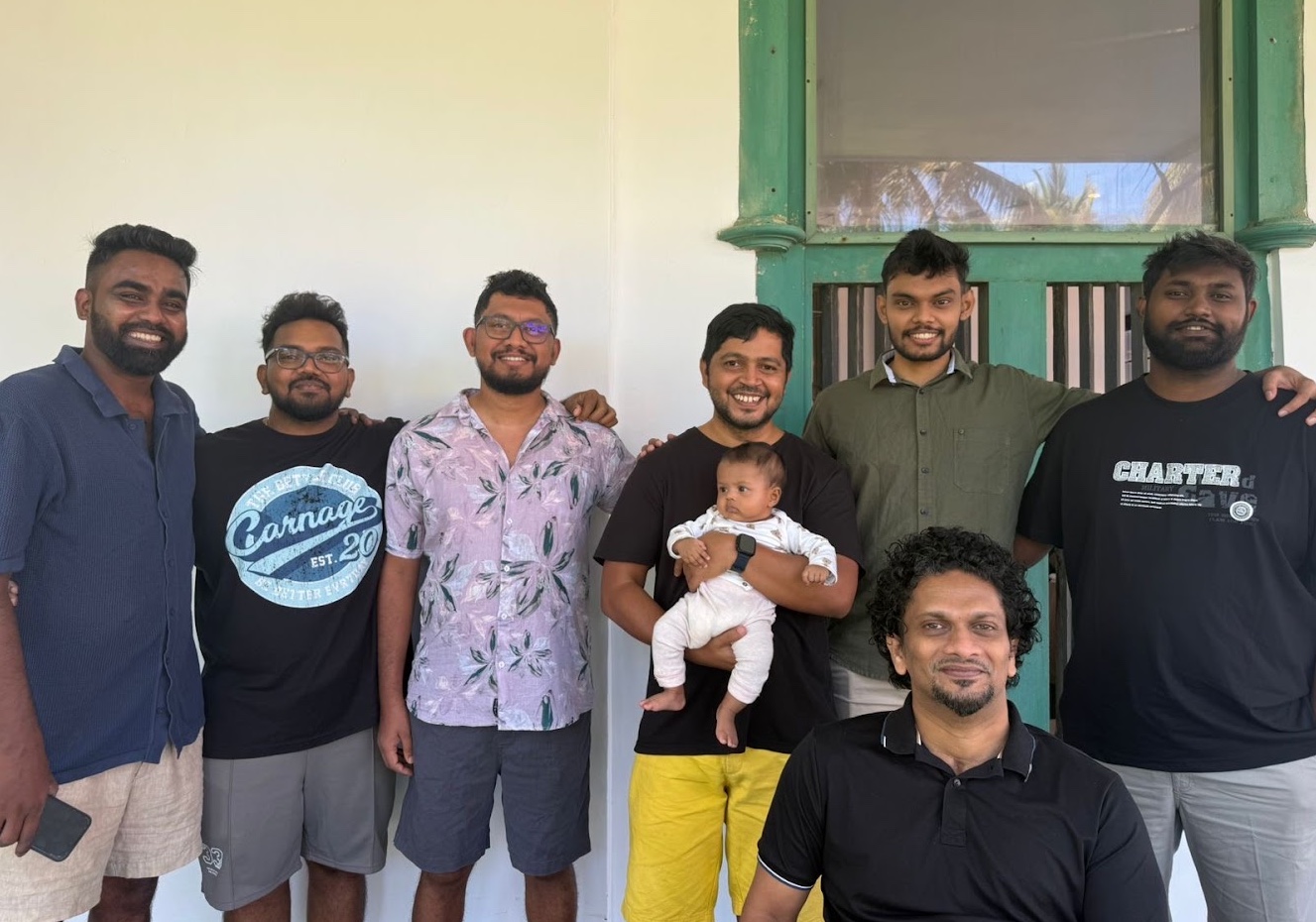
Nobody here learned to build software this year. Every engineer on this team has ten years or more of production experience behind them, nearly all of it earned before any of this could be generated: payments, healthcare, membership systems, the kind of work where a bad deploy costs somebody real money. We learned the invisible half of the job by being on call for it.
We have since rebuilt the whole delivery process around AI-native engineering. Agentic workflows draft, refactor, and test at a speed we could never match by hand, which is how a team this size moves at agency pace. What the tools never do is decide. The architecture, the data model, the security boundaries, and every line that reaches production still go through a senior engineer first.
AI-native by design
Agentic workflows are how we move at agency speed, and we use them all day. The difference between us and the tools that built your prototype is the review: every line that ships gets senior eyes before it merges.
We hold our own work to the process we sell. Even this website's blog ships through CI.